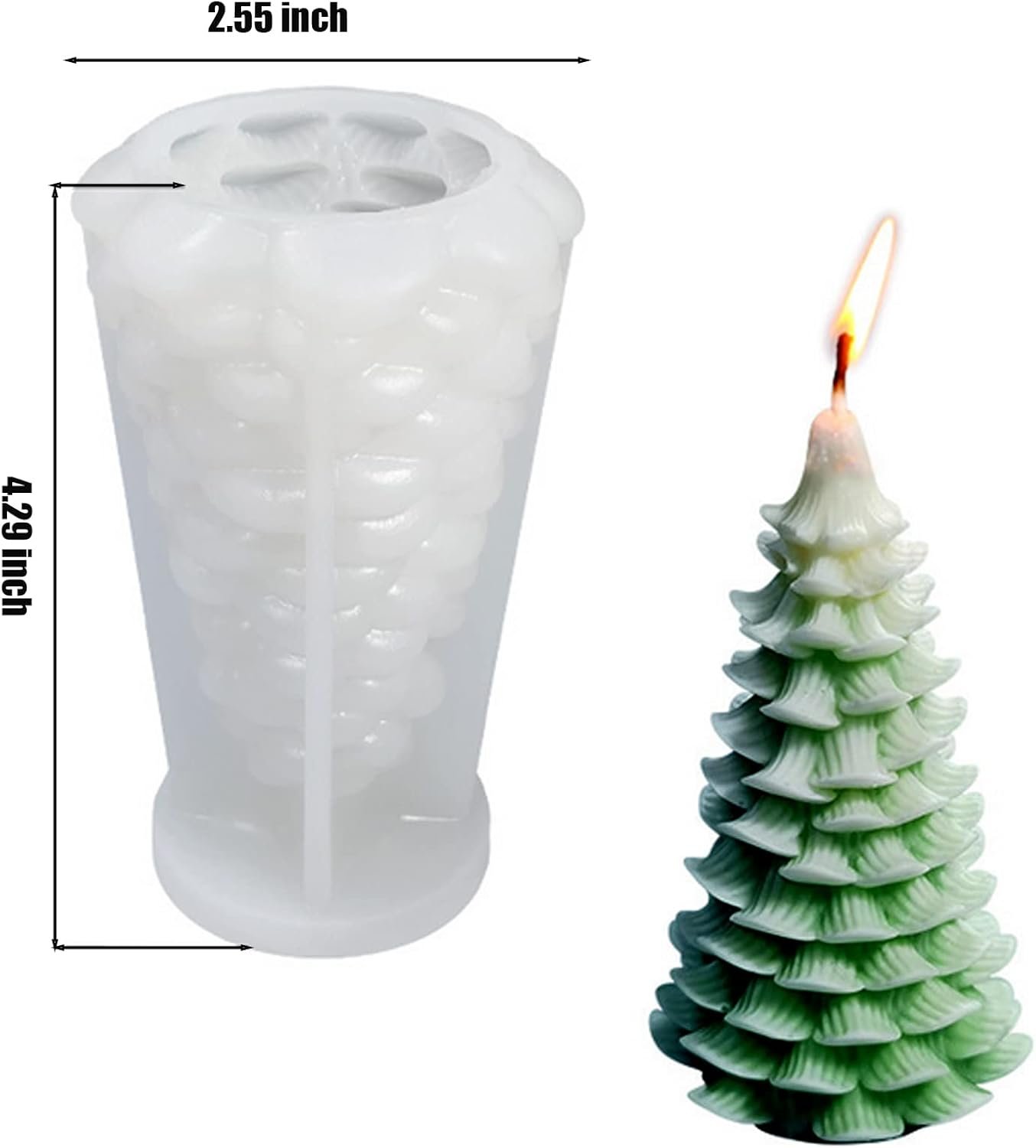
Are you ready to make charming 3D pine tree candles, soaps, and resin keepsakes that bring a festive touch to your home and gift-giving?

Product Overview
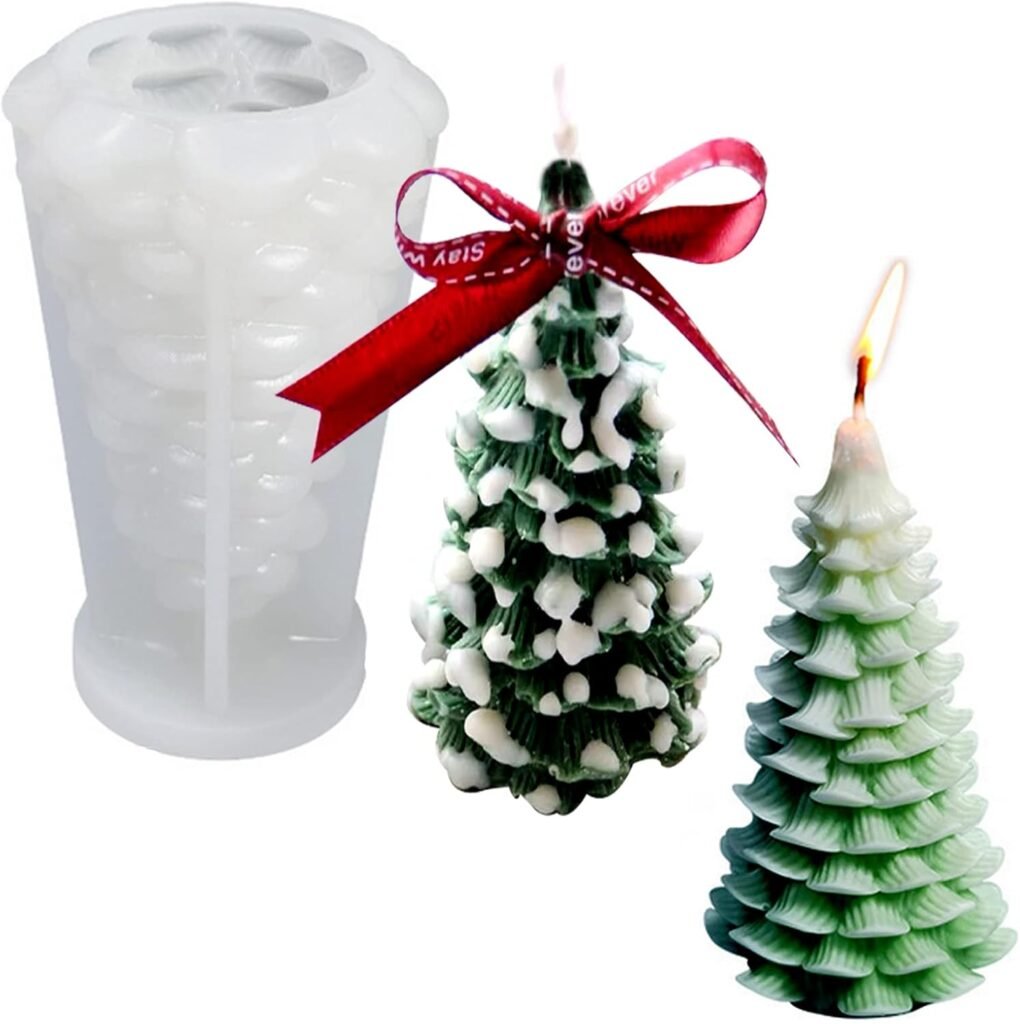
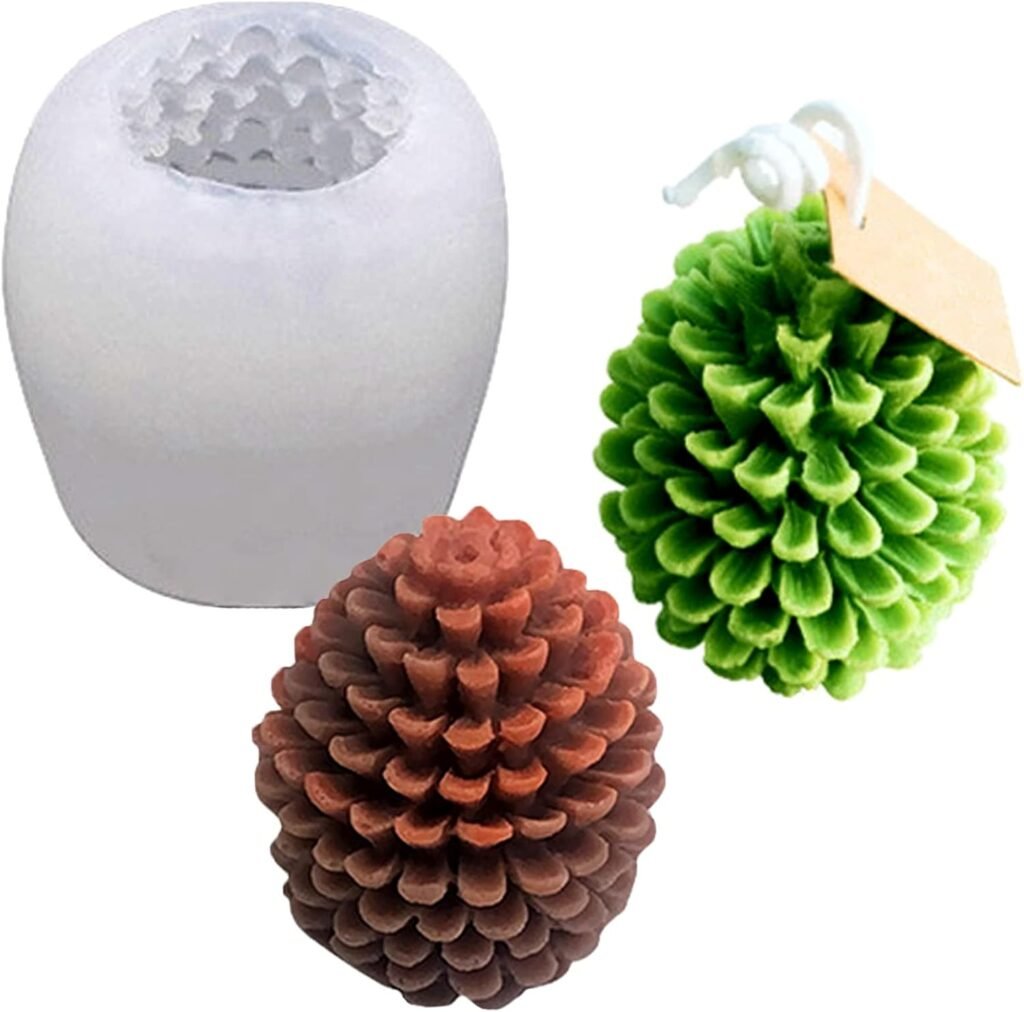
You’ll find the Christmas Tree Candle Mold, 3D Christmas Pine Tree Silicone Mold for Epoxy Resin Casting Soap Home Gift Decoration is tailored for seasonal crafting and small-batch makers. This mold promises a unique three-dimensional pine tree shape that works for candles, soaps, and resin pieces to help you craft memorable holiday items.
What the mold is for
You can use this mold for handmade soap, candle columns, epoxy resin crafts, and decorative pieces for the holidays. It’s especially appealing if you want a consistent tree shape every time you make a batch of candles or soaps.
Who this is good for
If you’re a beginner learning how to make candles or soaps, you’ll find the straightforward shape and flexible silicone helpful. Experienced crafters will appreciate its ability to support creative finishes like pigments, glitters, and mica powders to produce more intricate effects.
Key Specifications (At-a-glance)
You’ll appreciate having the facts in one place so you can quickly see whether this mold matches your project needs. Below is a simple breakdown of the most important specifications.
| Feature | Details |
|---|---|
| Product name | Christmas Tree Candle Mold, 3D Christmas Pine Tree Silicone Mold for Epoxy Resin Casting Soap Home Gift Decoration |
| Material | Grade silicone (flexible, smooth) |
| Primary uses | Candle making, soap making, epoxy resin casting, home decoration |
| Reusability | Reusable and easy to clean |
| Demolding | Easy to demold when fully cured |
| Durability | Flexible, not easy to break or deform |
| Cleaning | Rinse with water, mild soap if needed |
| Decorative additions | Pigment, glitter, mica powder friendly |
| Beginner friendly | Yes |
| After-sale support | Customer service promised by seller |
First Impressions
When you first handle the mold, you’ll notice how flexible and tack-free the silicone feels. The surface should be smooth and free of significant flash or defects that might affect the final finish of your candle or soap.
Packaging and presentation
You can expect the mold to arrive neatly packaged, often folded carefully or in a clear bag. The packaging typically protects the silicone and keeps it dust-free, which is useful since silicone surfaces attract lint if left exposed.
Fit and finish
You’ll likely appreciate the fine details captured in the 3D pine tree design—needles, tiered branches, and the tree silhouette translate well into resin and wax. Small texture details help the finished piece look realistic or stylized depending on additives you use.
Material & Build Quality
The mold is made from grade silicone, which is the standard for food-safe or craft-safe molds because of flexibility and heat tolerance. You’ll find the material resists sticking and bends easily for demolding.
Silicone advantages
You’ll benefit from silicone’s natural non-stick properties, which make demolding easier and protect delicate details. Silicone is also heat-tolerant enough for most candle waxes and soap-making temperatures, giving you versatility.
Durability and lifespan
If you treat the mold gently and avoid sharp tools while demolding, it will last for many uses. You’ll see wear over a long period only if you frequently use high heat or strong solvents that can degrade silicone.

Dimensions and Design Variants
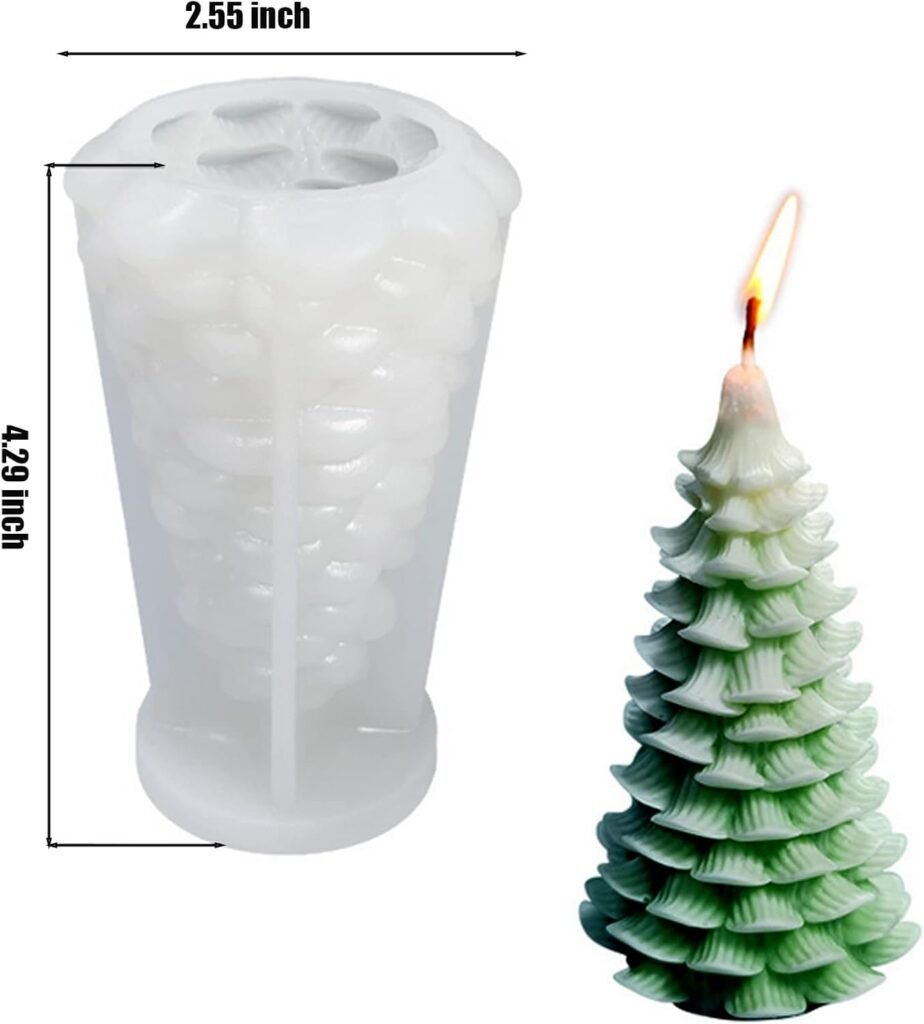
Knowing the approximate size and design of the mold helps you plan materials and determine finished piece scale. The mold typically offers a stand-alone pine tree shape sized to be used as a pillar candle or decorative item.
Size considerations
You’ll want to measure the mold cavity before mixing large batches of resin or wax so you know how much material to prepare. Whether you’re making a small soap or a sizable candle, planning prevents waste and ensures consistent results.
Multiple shapes and styles
The mold name suggests a 3D pine tree, but sellers sometimes include variations with slightly different branch detail or symmetry. You’ll find the basic silhouette consistent—tapered tree with layered branches—so your finished items will have a cohesive holiday look.
Ease of Use: Pouring and Demolding
This silicone mold is designed to be beginner-friendly, with wide openings and a flexible body that encourages clean releases. You’ll get the hang of pouring, curing, and demolding quickly with minimal frustration.
Pouring tips
You’ll want to pour slowly to avoid air bubbles and make sure the resin or wax reaches into detailed crevices. If you’re working with resin, consider using a heat gun or torch briefly to pop surface bubbles after pouring.
Demolding process
You’ll demold most easily when the material is fully cured. For resin and soap, confirm cure times before pulling; for candles using wax, allow complete cooling and set time. The silicone’s flexibility lets you gently push from the base and peel the mold away from the piece to avoid damage.
Performance with Epoxy Resin
Using the mold for epoxy resin casting gives you a hard, glossy final piece that’s great as a decorative ornament or stand-alone display item. The tree detail translates well to resin when you pay attention to bubble control and curing conditions.
Resin-specific tips
You’ll want to avoid rushing the cure—longer, stable cure times decrease the risk of shrinkage or distortion. Use a pressure pot or degassing chamber if you have access, or add thin layers to reduce trapped bubbles if you don’t.
Finishing resin pieces
You’ll find sanding and polishing effective for removing small imperfections, and a thin gloss topcoat can restore glass-like shine to any muted areas. If you add pigments or inclusions, consider layering to create depth and trapped glitter effects.
Performance with Soap
Making soap molds with this silicone gives you detailed, tactile bars or decorative soaps you can gift or sell. The silicone’s non-stick nature and flexibility make it straightforward to unmold saponified bars of soap.
Soap-making recommendations
You’ll want to account for the soap batter’s working time—especially with cold-process soap—to pour and press out air from the detail areas. For melt-and-pour soap, preheating the molds slightly or pouring at a warm-but-not-hot temperature helps reduce surface imperfections.
Decorating soap
You’ll be able to use mica, oxides, or embeds to create multi-colored layers or frosted effects on the tree. If you plan to sell, label materials clearly to meet local regulations and communicate ingredients.
Performance with Candle Making
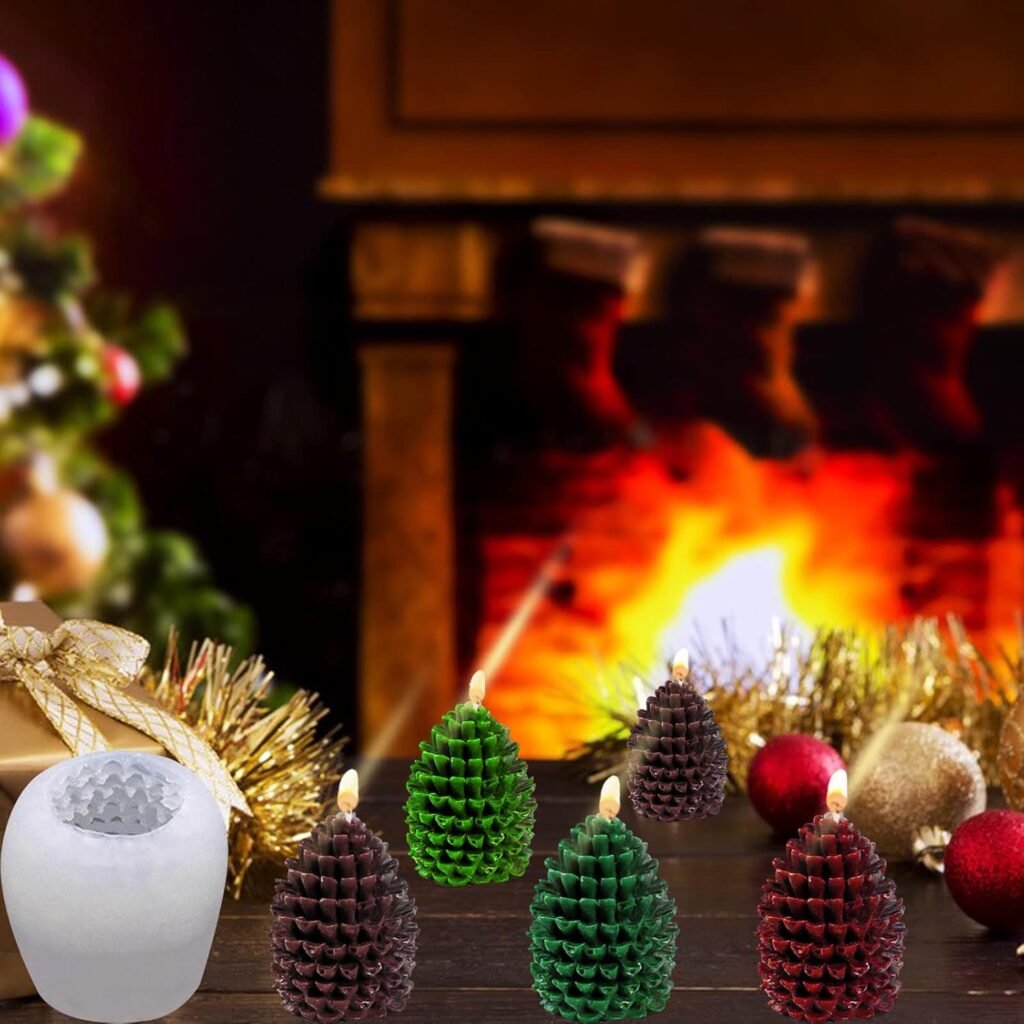
The mold’s heat tolerance supports many candle waxes, making it suitable for pillar-style tree candles and novelty wax pieces. You’ll be able to create both functional candles and decorative wax sculptures.
Wax choices and tips
You’ll likely choose a wax with a lower shrinkage rate such as soy blends, paraffin, or coconut blends depending on your burn preference. Pre-waxing the cavity or using a thin barrier like release spray is usually unnecessary; instead, control pour temperature and fill slowly.
Wick placement and burn safety
If you plan to make functional candles, you’ll need to plan wick placement carefully. You’ll either use a central core wick for a pillar candle or embed a pre-formed wick that stays centered: both require anchoring (wobble-proof stabilization) during the pour and cure phases.
Creative Ideas and Finishes
The mold gives you plenty of creative freedom to personalize each piece. You’ll be able to mix pigments, glitters, inclusions, or embed tiny ornaments to make the tree uniquely yours.
Color and texture techniques
You can layer opaque and translucent pigments to mimic pine shadows and light, or sprinkle mica in the resin for a sparkly snow-dusted effect. For soaps, swirl techniques and layered pours will give you depth and variation across each tree.
Gift and display ideas
You’ll find these trees work well as holiday table centerpieces, mantel accents, stocking stuffers, or small handmade gifts. You can wrap them in clear cello with a ribbon, set them on small wooden bases, or combine several sizes to make a mini forest display.
Cleaning and Maintenance
Silicone molds are low-maintenance, and you’ll appreciate that regular cleaning is quick and easy. Proper storage helps preserve shape and extend the mold’s lifespan.
Cleaning after use
You’ll rinse the mold with warm water and mild soap, using a soft cloth or sponge to gently remove residue. Avoid abrasive scrubbers or harsh chemicals which can degrade the silicone surface.
Storage tips
You’ll keep the mold flat or hung in a dry area away from direct sunlight to avoid long-term UV degradation. Storing molds flat avoids permanent bends and keeps the detail crisp for future uses.
Safety Considerations
You’ll want to follow safety best practices when working with resin, soap lye, or hot wax to protect yourself and your space. The mold itself is safe for these crafts, but the materials you use alongside it require caution.
Chemical handling
You’ll wear gloves, eye protection, and work in a ventilated area when handling epoxy resin or lye for cold-process soap. Follow manufacturers’ safety instructions for mix ratios, pot-life, and curing guidelines.
Heat and fire safety
If you’re working with melted wax, you’ll monitor temperatures with a thermometer and avoid overheating. Keep a fire extinguisher nearby, never leave hot wax unattended, and use heat-safe surfaces and utensils when pouring.
Troubleshooting Common Issues
You’ll find most common issues have simple fixes once you know what to look for. Whether it’s stuck bubbles, surface blemishes, or demolding snags, small adjustments to process improve results.
Bubbles and voids
If you get bubbles in resin or wax, pour more slowly and use a heat gun or torch briefly to reduce surface bubbles. For internal voids you’ll try slower pours, thin layers, or pressure/de-gassing solutions.
Surface imperfections
If surfaces cure with a matte or tacky texture, you’ll check cure times and environmental humidity; sometimes a thin topcoat or post-cure heating (for resin, if safe) restores gloss. For soaps, a light sanding or smoothing with a cloth can refine edges.
Pros and Cons
You’ll want a balanced view to decide whether this mold fits your hobby or business needs. Below, you’ll see advantages and potential limitations to consider.
Pros
- You’ll appreciate the realistic 3D pine tree form that adds festive character to creations.
- You’ll benefit from grade silicone that’s flexible, reusable, and easy to clean.
- You’ll enjoy beginner-friendly demolding and a design that suits multiple materials (resin, wax, soap).
Cons
- You’ll need to plan wick placement carefully for functional pillar candles, which adds a step.
- You’ll sometimes encounter minor bubbles in finely detailed areas that require extra attention during pouring.
- You’ll find that very large or heavy resin pours can take long cure times and may need support to prevent distortion.
How It Compares to Other Molds
When you’re deciding between molds, look at silicone quality, detail level, and intended material compatibility. This pine tree mold stands out for its clear seasonal purpose and multi-material compatibility.
Comparison points
You’ll want to check whether alternative molds offer multiple cavity sizes or sets of varying tree shapes for creating group displays. You’ll also compare silicone thickness: thicker molds resist warping during heavy resin pours but may be less flexible for demolding very detailed pieces.
Value for money
You’ll find this mold offers good value if you plan to produce multiple small items per season or to gift a few handmade items. If you need dozens of items for a market, you may look for bulk options or multiple-cavity molds that speed production.
Tips to Get the Best Results
Small adjustments in technique make a big difference in the quality of your finished pieces. These practical tips help you avoid common pitfalls and get consistent results that you’ll be proud of.
Preparing the mold
You’ll ensure molds are clean and dry before each pour, and if desired you can use a thin barrier spray recommended for silicone molds (only if compatible with your material). Warm the mold slightly for melt-and-pour soap so the first layer sets evenly.
Pouring strategy
You’ll pour in slow controlled streams to avoid trapping air and fill thin layers for resin to prevent overheating and shrinkage. Rotate the mold gently after pouring to allow resin or wax to settle into detailed areas.
Post-processing
You’ll sand lightly with fine-grit sandpaper for small imperfections in resin, and polish with a microfiber cloth to restore shine. For candles, trim the wick and smooth the base for a clean presentation.
Packaging and Presentation for Gifts
When you give your finished tree creations, presentation enhances perceived value. You’ll find simple packaging steps can make a handmade item look professional and gift-ready.
Wrapping ideas
You’ll place finished pieces in clear cellophane with a ribbon, or nestle them in a small kraft box with tissue paper for a rustic holiday look. Include a small tag describing the material and burn instructions if giving a candle.
Labeling and care instructions
You’ll include short care instructions—like burn safety for candles or wash instructions for soap—to help recipients use your gift safely. If the item contains resin or cosmetic additives, list ingredients to avoid allergic reactions.
After-sale Support and Warranty Notes
When you buy, you’ll want to know there’s responsive seller support in case you receive a defective mold or have questions. Sellers usually offer after-sale assistance and will try to resolve issues quickly.
What you can expect
You’ll often receive a guarantee that the silicone is free from major defects and that replacements or refunds are possible with valid claims. If you encounter manufacturing issues like tears or warped cavities, contact the seller with photos to speed resolutions.
When to contact the seller
You’ll contact the seller promptly if you receive a mold with visible tears, excessive flash, or deformations affecting functionality. Quick communication helps you get a replacement or refund before you start working.
Frequently Asked Questions (FAQ)
You’ll likely have questions about material compatibility, cleaning, and whether the mold can be used for food items. Below are common queries answered to help you proceed confidently.
Can you use this mold for edible items?
You’ll need to confirm with the seller whether the specific silicone grade is food-safe if you plan to make edible items like chocolates. While many craft silicones are food-safe, always verify to be safe.
Is it safe for hot wax?
You’ll find the silicone is generally heat-tolerant enough for typical candle waxes. Keep pour temperatures within the wax manufacturer’s recommended range and avoid overheating.
How many uses will you get from one mold?
You’ll get dozens to hundreds of uses depending on how you treat the mold, the materials you use, and whether you avoid sharp tools during demolding. Proper care extends useful life.
What if the resin sticks?
You’ll ensure the resin is fully cured before demolding; if stickiness occurs it’s usually due to incomplete cure or contaminant on the mold surface. Gentle reheating for post-cure or leaving the piece longer to fully cure often fixes this.
Final Verdict
You’ll find the Christmas Tree Candle Mold, 3D Christmas Pine Tree Silicone Mold for Epoxy Resin Casting Soap Home Gift Decoration a versatile and friendly tool for seasonal crafting. The mold blends ease-of-use with appealing detail, making it suitable for beginners and hobbyists who want attractive holiday-themed creations.
Is it worth buying?
You’ll likely enjoy this mold if you aim to create a handful of high-quality decorative items or gifts each season. The fairly priced, reusable silicone offers good value for your crafting projects.
Who should buy it
You’ll want to buy this if you make handmade candles, soaps, or resin gifts for holidays and prefer a consistent, detailed tree design. If you need a large production setup, use this mold for prototyping or smaller orders rather than high-volume manufacturing.
Where to Buy and What to Look For
You’ll usually find this type of mold on popular online marketplaces and in craft supply stores. When shopping, look for clear product photos, reputable seller ratings, and transparent descriptions about silicone grade and size.
Buying tips
You’ll check for reviews that mention detail quality, ease of demolding, and durability to make an informed decision. If possible, choose sellers that offer returns and responsive customer service in case you receive a defective unit.
Price expectations
You’ll expect a modest price range for a single-cavity silicone mold of this type; compare sellers and shipping options to get the best deal. Pay attention to discounts around the holiday season when these molds are in higher demand.
Wrapping Up (Not an introduction)
You’ll be able to transform simple materials into charming, seasonal pieces using this mold, and with a few practice pours you’ll get consistent and attractive results. The flexibility of silicone and the clear pine-tree design combine to give you a pleasant crafting experience that’s perfect for holiday projects, gifts, and small craft-business items.
Disclosure: As an Amazon Associate, I earn from qualifying purchases.