

10 lb Coconut Soy Candle Wax Review
Have you ever wished you could make candles at home that hold large amounts of fragrance without losing a clean, steady burn?

Product overview
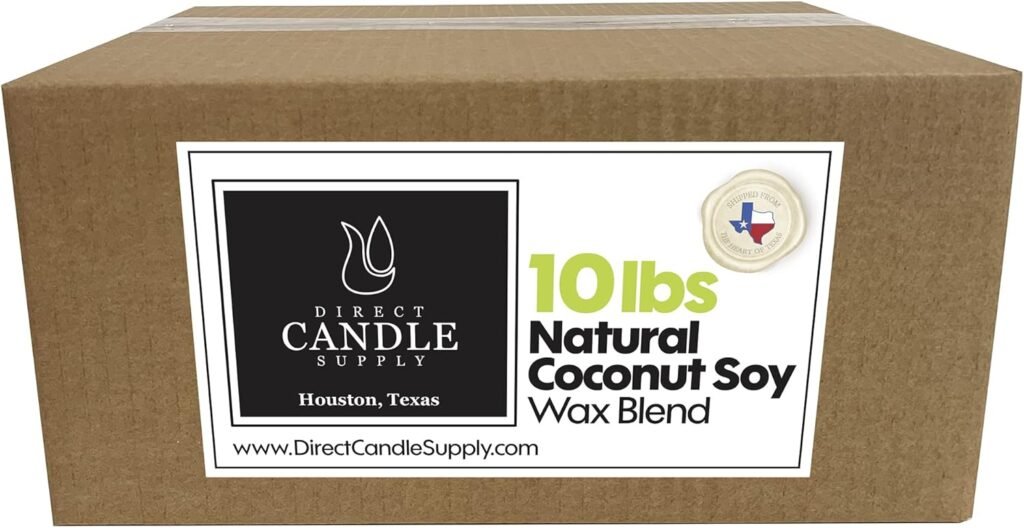
You’re looking at “10 lb Coconut Soy Candle Wax for Candle Making – Creamy Blend for High Load Fragrance Formulation, Coco Wax, Coconut Soy Candle Wax, Cera para Velas.” This review covers what you can expect from the package, how the blend behaves during candle making, and practical tips to get the best results from this particular wax blend.
What’s in the bag?
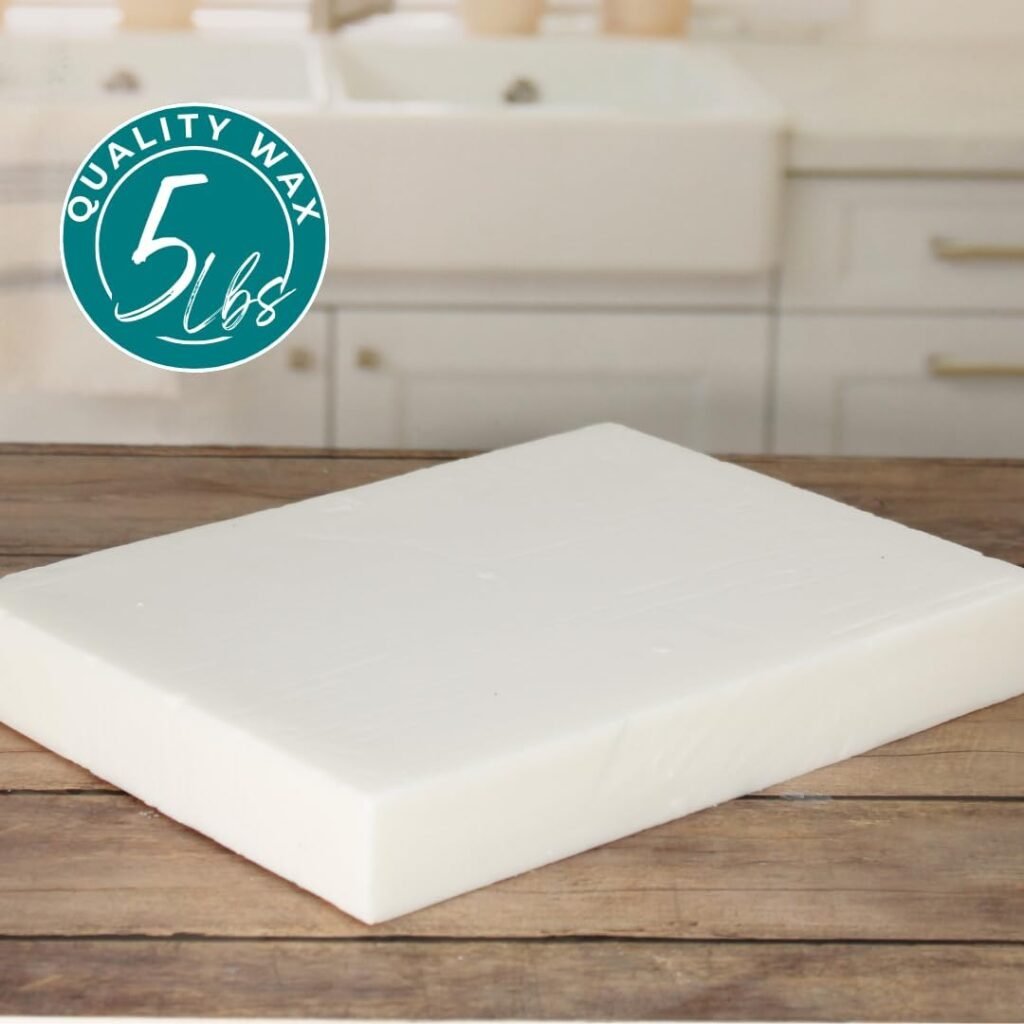
You get a 10 lb block or bag of a creamy coconut-soy-paraffin blend formulated for candle making. It’s unscented so you can add whatever fragrance oils you prefer, and it’s made to accept higher fragrance loads compared with many straight soy waxes. Because the blend contains coconut and plant-based additives plus a small amount of paraffin, the color may vary from off-white to beige.
| Feature | Details |
|---|---|
| Product name | 10 lb Coconut Soy Candle Wax for Candle Making – Creamy Blend for High Load Fragrance Formulation |
| Weight | 10 lb (per package) |
| Composition | Coconut wax + soy wax + small amount of paraffin, plant-based additives |
| Color | Off-white to beige (natural variance) |
| Scent | Unscented base (designed to hold fragrance oils well) |
| Recommended fragrance load | Moderate to high (guidelines provided below) |
| Melt point (approx.) | Typical coconut-soy blends: ~110–125°F (43–52°C) — test with your batch |
| Best for | Container candles, aromatherapy candles, high-fragrance candles |
| Storage | Cool, dry place away from direct sunlight and high temps |
| Safety | Use double boiler, avoid overheating, never add water, use Class B extinguisher for wax fires |
Key features and benefits
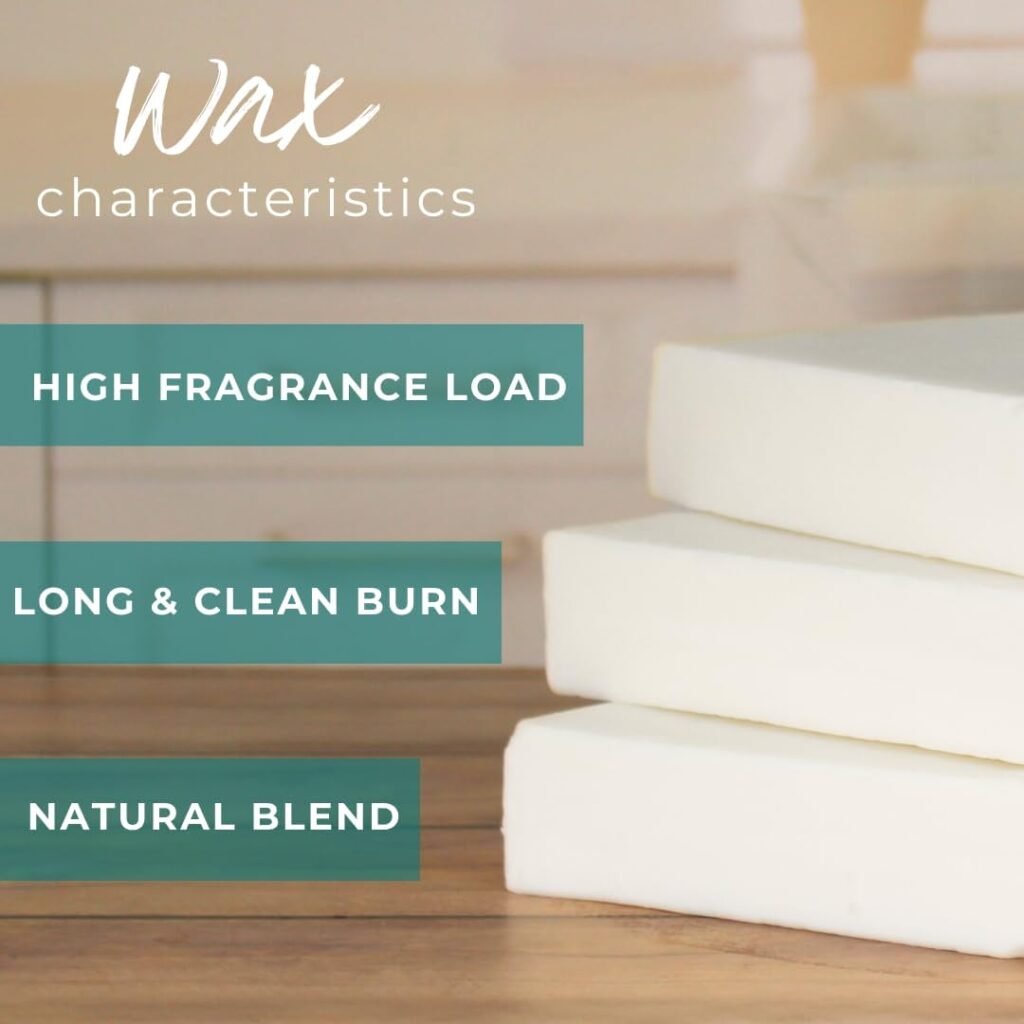
You’ll appreciate how this wax is engineered to give a clean, steady burn and strong fragrance throw when used correctly. The blend takes fragrance oils well, which makes it a good choice if you want intensely scented candles for home use or small-batch sales.
Clean, long burn
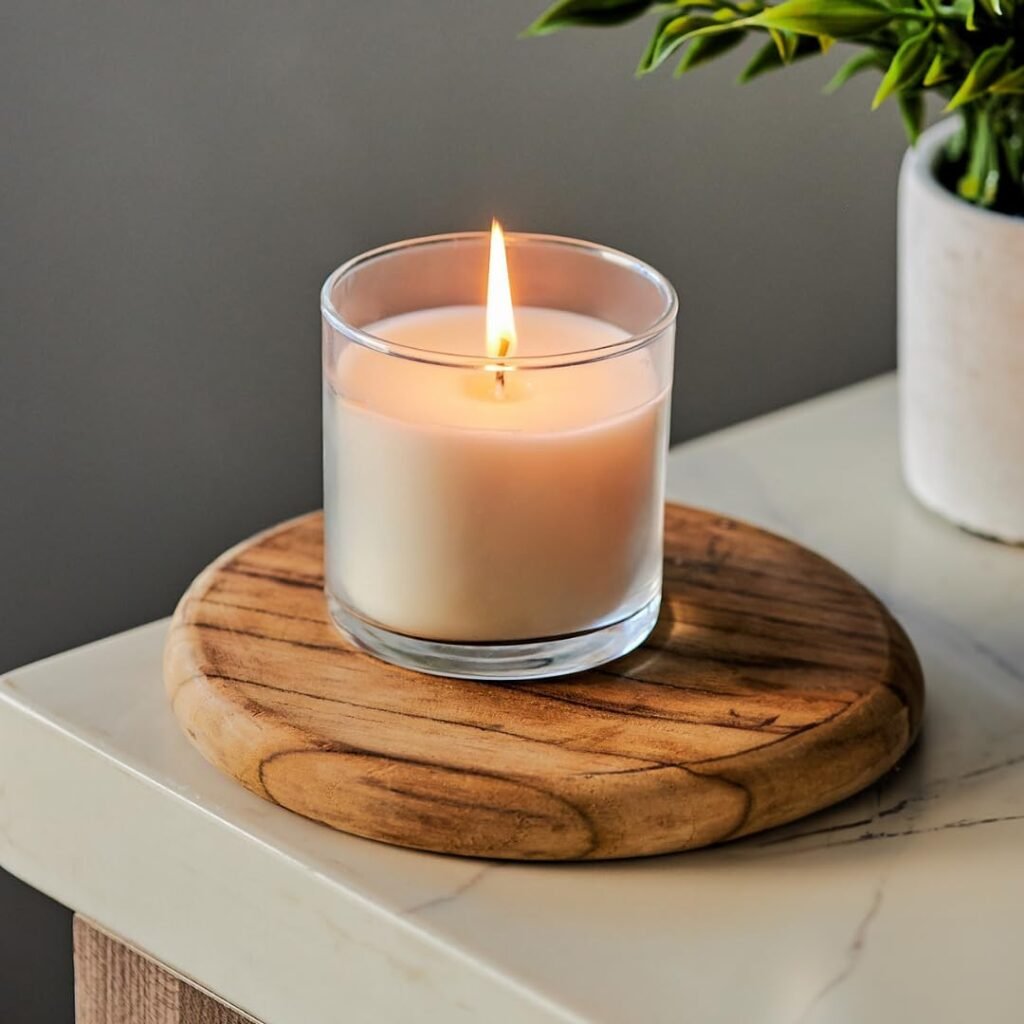
The blend is designed to burn cleanly and evenly. You should notice less soot and a consistent melt pool when you’ve matched the right wick and container for your candle size.
High fragrance load compatibility
Because it’s formulated to absorb fragrances, you can load more scent than you might with a pure soy wax. This is ideal if you make aromatherapy or richly scented candles, but you’ll still want to test and find the sweet spot for your fragrance oil and container size.
Natural-leaning ingredients with plant additives
It’s marketed as made with all-natural ingredients and plant-based additives, which is great if you want to avoid strong base odors. Keep in mind the small paraffin content means it’s not 100% plant-derived, so classify it as a hybrid rather than purely natural.
Performance in practice
You’ll want practical performance details before buying. Here’s what to expect during melting, fragrance blending, pouring, and burning.
Cold throw and hot throw
Cold throw (the scent when the candle is unlit) is typically neutral since the wax is unscented. That makes jar evaluation easier before you add oils. Hot throw (scent when burning) is usually strong if you’ve used an appropriate fragrance load and cure time. Some fragrances perform better than others, so trial and error will help you optimize.
Melt pool and burn time
You can expect a stable melt pool if you pair the wax with the correct wick and container diameter. Burn time depends on the container size, wick choice, and fragrance load, but this blend’s creamy nature often yields a pleasing, even melt with good fragrance release.
Color and appearance
Because of natural ingredients and small paraffin content, you’ll see color variations from off-white to beige. Those tones are normal and don’t affect performance; they just mean your candle will have a natural, handmade look.
Scent retention and cure time
You should allow a proper cure time to maximize scent throw—commonly 48 hours to 2 weeks depending on the fragrance and load. Give yourself time to test different cure intervals for the best hot throw.
Candle making workflow
You’ll find this blend flexible, but a consistent workflow will help you get repeatable results. Below are tools, steps, and temperature suggestions to guide you.
Tools and supplies you’ll need
You’ll want a reliable thermometer, a double boiler or melting pot, measuring cups or a scale, fragrance oil, wicks, containers, wick stickers or hot glue, and a stirring utensil. A heat-safe pitcher helps with clean pouring.
Step-by-step process
You’ll follow the standard melt-add-fragrance-pour-cure routine, but here are detailed steps you can use as a baseline and then tweak:
- Prepare containers: secure wicks centered with wick stickers or glue and preheat any glass slightly if you have cold glass issues.
- Measure wax by weight for accuracy (use a scale).
- Melt wax using a double boiler: heat slowly and watch temperature with a thermometer.
- Heat to the recommended melt temp (see guidance below) before adding fragrance.
- Add fragrance oil at the correct temperature, stir gently but thoroughly, and allow a short rest if your fragrance requires it.
- Pour into containers at the recommended pour temperature for this wax.
- Allow candles to cool undisturbed at room temperature and cure for at least 48 hours, ideally up to 1–2 weeks for best hot throw.
- Trim wick to 1/4″ before the first burn.
Measuring and melting
Measure wax by weight for consistency. Melt slowly and avoid overheating—overheating can degrade both the wax and added fragrance. Use a thermometer and aim for the recommended heating temperature range for coconut-soy blends (guidelines below).
Adding fragrance and pouring
Most makers add fragrance between 175–185°F (80–85°C) and pour between 130–150°F (54–66°C), but different fragrances and ambient conditions change ideal temperatures. Test multiple increments (e.g., 6%, 8%, 10%, 12% fragrance loads) and note hot and cold throws after curing.
Curing and testing
Cure at room temperature for several days to fully bind fragrance to the wax. You’ll perform burn tests after the curing window to verify wick sizing, melt pool, and fragrance throw.
Recommended temperatures and fragrance loads
You’ll need to experiment with exact temperatures and loads because additives, fragrance chemistry, and ambient temperature influence results. Use these ranges as a starting point and test small batches.
- Melt temperature: heat to 170–185°F (77–85°C) to ensure uniform melt. Avoid excessive overheating.
- Add fragrance: between 170–185°F (77–85°C) for best dispersion.
- Pour temperature: 130–150°F (54–66°C) depending on container and ambient temp—cooler pour may reduce sinkholes and frosting.
- Fragrance load: start testing at 6%, then try 8%, 10%, and 12%. Many users find 8–10% works well; some fragrances accept higher loads but you must test stability and throw.
Wick selection and sizing
You’ll need to match wicks to container diameter and fragrance load to get a full melt pool and even burn. Below is a guideline table—treat it as a starting point and test for your unique setup.
| Container diameter (in) | Typical wick type | Suggested starting wick |
|---|---|---|
| 1.5″ – 2.0″ | Small cotton or ECO wicks | CD-10 / ECO-10 / cotton size 2 |
| 2.0″ – 2.5″ | Medium cotton or ECO wicks | CD-11 / ECO-11 / cotton size 4 |
| 2.5″ – 3.0″ | Medium-large cotton or ECO wicks | CD-12 / ECO-12 / cotton size 6 |
| 3.0″ – 3.5″ | Large cotton or wood wicks | CD-14 / ECO-14 / cotton size 8 or medium wood |
| 3.5″ – 4.0″ | Extra-large cotton or larger wood wicks | CD-16 / ECO-16 / heavy cotton or large wood |
You’ll need to increase wick size if you use a high fragrance load, because strong fragrance oils can act as flame suppressants and reduce melt pool size. Conversely, decrease wick size if you see excessive sooting or mushrooming.
Troubleshooting common issues
You’ll encounter a few typical problems when you’re learning a new wax. Here’s what to do when things don’t go as planned.
Tunneling (narrow burn pool)
If your candle tunnels, you likely have a wick that’s too small for the container or you didn’t allow enough time for the first full melt pool. Fix by using a larger wick next batch and letting candles burn long enough on the first use to reach the edges.
Weak scent (poor hot throw)
Poor hot throw can be caused by too little fragrance, poor fragrance compatibility, or inadequate cure time. Test 6–12% loads, and try different fragrance manufacturers. Extend cure time and perform burn tests after 48 hours, 1 week, and 2 weeks.
Frosting or surface crystals
Coconut and soy blends can show frosting (a white crystalline appearance). It’s cosmetic only and doesn’t affect performance. To reduce frosting, use slower cooling, warm pour temperatures, or adjust fragrance load slightly.
Sinkholes and surface divots
Quick cooling, over-pouring, or too-low pour temperatures can cause sinkholes. Reduce pour temperature slightly, allow containers to warm a bit if cold, and pour in stages for larger candles if necessary.
Wet spots or mottled surface
Wet spots indicate fragrance or oil separation or temperature mismatch. Stir thoroughly when adding fragrance and watch temperatures closely. You may need to reduce fragrance load or change fragrance supplier if separation persists.
Wicks burning out or failing to stay lit
Faint or extinguishing flames often mean your wick is too small, or fragrance load is interfering. Increase wick size gradually or test a different wick type (e.g., flat-braided cotton vs. square braid vs. wooden wick).
Storage and shelf life
You’ll keep your wax sealed and stored in a cool, dry place away from direct sunlight and high temperatures. Stored properly, candle wax is stable for long periods; treat this wax like any other raw material and use it within 1–2 years for peak performance. Avoid storing near strong-smelling chemicals since the wax can absorb odors.
Safety guidelines
You’ll ensure safe candle-making by following a few non-negotiable safety rules. These keep you and your workspace safe.
Heating and melting safety
Always use a double boiler or dedicated wax melter—never heat wax directly on a stove burner without protection. Overheating can cause discoloration, fragrance degradation, or fire. Monitor temperature with a reliable thermometer.
Fire extinguisher guidance
Never use water on a wax or oil fire. Standard water-based extinguishers are not suitable. For wax fires, keep a Class B extinguisher (foam, CO₂, or dry chemical) on hand, and know how to use it. Have a fire blanket and a clear escape route in your workspace.
Handling and ventilation
Use gloves when handling hot wax and fragrance oils to avoid burns and skin irritation. Work in a well-ventilated area to reduce inhaling strong fragrance vapors during melt and pour stages.
Environmental and ingredient notes
You’ll find that this wax is marketed with plant-based additives and is largely odor-free until you add fragrance, but it does contain a small amount of paraffin. That means it profiles as a hybrid product: more plant-derived than pure paraffin, but not 100% natural if that’s your strict criterion.
Natural but not 100% paraffin-free
If you require purely plant-based waxes (e.g., strictly soy or coconut), this blend is not 100% plant. The small paraffin addition can improve performance—better fragrance compatibility and burn characteristics—so weigh your priorities (performance vs. purity).
Disposal and recycling
You’ll dispose of leftover wax by allowing it to harden and then discarding it in the trash or reusing it for melts or fire starters. Avoid pouring wax down drains. Recycle packaging where possible according to local guidelines.
How this wax compares to others
You’ll want to know how this blend stacks up against pure waxes and other common options.
Versus pure soy wax
Compared to pure soy, this blend generally accepts higher fragrance loads and can give a stronger hot throw. Pure soy may be more “natural,” but can struggle with heavy fragrance oils and sometimes gives a weaker scent.
Versus pure coconut wax
Pure coconut wax often yields excellent fragrance throw and a creamy finish, but it’s usually more expensive. This coconut-soy-paraffin blend gives many of the fragrance benefits at a lower cost while improving burn stability.
Versus paraffin wax
Paraffin alone often provides strong scent throw and bright appearance, but it’s petroleum-derived and produces more soot. Your blend balances performance with lower soot and more natural content while adding just enough paraffin to stabilize the candle.
Tips for making high-load fragrance candles
You want big scent, but you also want performance and safety. Use these practical tips to get there.
- Start small: test in small containers before committing to hundreds of jars.
- Track everything: weight of wax, fragrance percentages, temperatures, wick choice, and cure time. A lab notebook approach helps reproduce good results.
- Test multiple fragrance load levels: try 6%, 8%, 10%, and 12% with the same formula and document cold/hot throws after 48 hours and 1 week.
- Adjust wick size for higher fragrance loads: stronger scents can suppress flame energy, so step up wick sizes as fragrance percentage increases.
- Use fragrance compatibility sheets: different fragrances behave differently with wax blends—citrus oils and naturals sometimes need lower temperatures or special handling.
- Consider additives sparingly: UV inhibitors or stiffeners can alter melt pool and scent throw; test before adding to full batches.
Pros and cons
You’ll find both clear advantages and some trade-offs when you use this wax.
Pros:
- Good fragrance absorption, enabling higher scent loads.
- Creamy appearance and stable burn with correct wick selection.
- Odor-free base so your chosen fragrance shines.
- Bulk 10 lb sizing is convenient for regular makers or small businesses.
- Plant-based additives reduce base smell and improve performance.
Cons:
- Contains a small amount of paraffin, so it’s not 100% natural.
- You’ll need to test wick sizes carefully; not all wicks work the same with hybrid blends.
- Color variance (off-white to beige) might not suit all aesthetic preferences.
- High-fragrance formulas require testing for each scent to avoid performance issues.
Final verdict and who should buy this
If you want a wax that takes fragrance well and yields strong hot throws, this blend is a versatile option. You’ll especially like it if you make container candles and want to experiment with higher fragrance loads without sacrificing a clean burn. If purity to 100% plant-based ingredients is a strict requirement, you’ll want to choose a different product; but if you prioritize scent and performance, this is a solid choice.
Frequently asked questions (FAQ)
You’ll likely have specific questions—here are the ones most makers ask.
Q: How much fragrance can I add to this wax? A: Start testing at 6% and move up through 8%, 10%, and 12%. Many users find 8–10% is a reliable sweet spot, but certain compatible fragrances may accept 12% or slightly more. Always test small batches and check stability and throw.
Q: What temperature should I add fragrance and pour? A: As a starting point, add fragrance between 170–185°F (77–85°C) and pour between 130–150°F (54–66°C). Adjust based on ambient temperature and fragrance characteristics.
Q: Can I use this for pillar or only container candles? A: This blend is primarily optimized for container candles. If you want to make pillars, you’ll need to test hardness, shrinkage, and mold performance—results vary with the paraffin content and additives.
Q: Will the small paraffin content affect soot or safety? A: The paraffin percentage is small and primarily aimed at improving scent throw and burn quality. You should still follow safe candle-making and burning practices—trim wicks and avoid drafts to minimize soot.
Q: How long should I cure the candles before selling or gifting? A: Cure for at least 48 hours for a usable hot throw, but ideal curing is often 1–2 weeks for maximum scent release.
Q: How do I prevent frosting or white bloom? A: Frosting is natural with coconut and soy blends and is cosmetic only. To reduce it, try warmer pours, longer gentle cooling, or slightly different fragrance loads—test to see what reduces appearance most for your batch.
Q: Is this wax vegan or allergen-free? A: The base is primarily plant-based with a small amount of paraffin (not plant-based). Vegan certification depends on your specific standard; this blend is not strictly 100% plant-derived. As for allergens, fragrance oils often contain allergens—always check fragrance ingredient lists.
Practical testing checklist for your first 10 lb package
You’ll get repeatable results faster if you run a short test regimen when you open the package.
- Make 3–4 small test candles (4 oz containers) using different fragrance loads: 6%, 8%, 10%, 12%.
- Use the same fragrance for all test jars to isolate fragrance-load effects.
- Use different wick sizes across jars to find the best match for melt pool and flame height.
- Cure all jars for 48 hours, smell cold throw, then light and evaluate hot throw and burn behavior.
- Note any surface issues (frosting, sinkholes) and modify pour or curing protocols if needed.
By following this checklist you’ll quickly discover the ideal settings for your fragrance, container, and wick combinations, and you’ll get the most out of the 10 lb pack.
If you want specific help testing one fragrance or determining the right wick for a particular jar diameter, tell me the jar size and fragrance type and you’ll get tailored guidance.
Disclosure: As an Amazon Associate, I earn from qualifying purchases.